The TPCP pulsed fiber laser serie
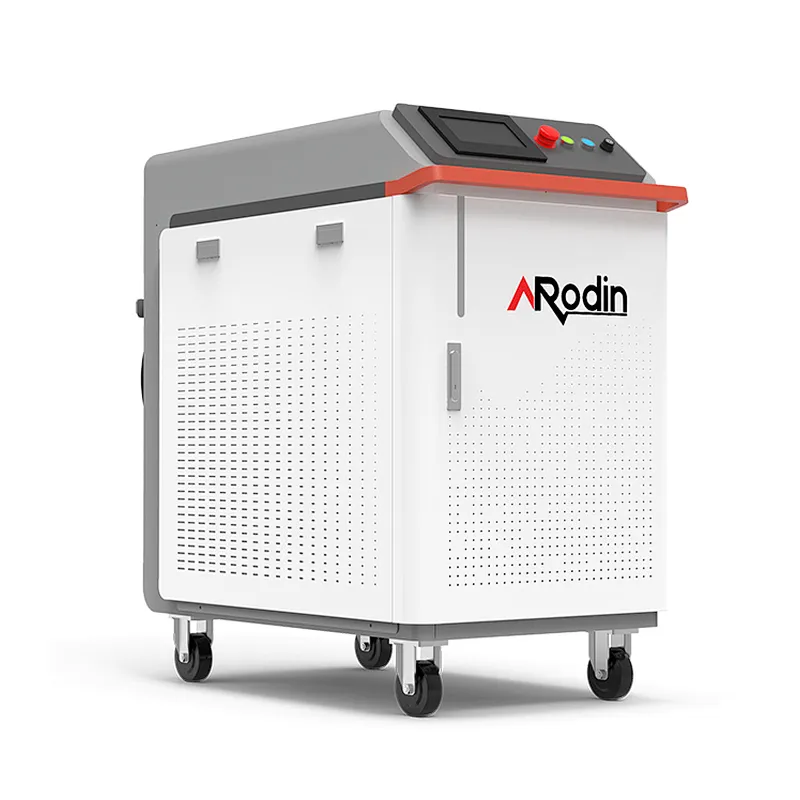
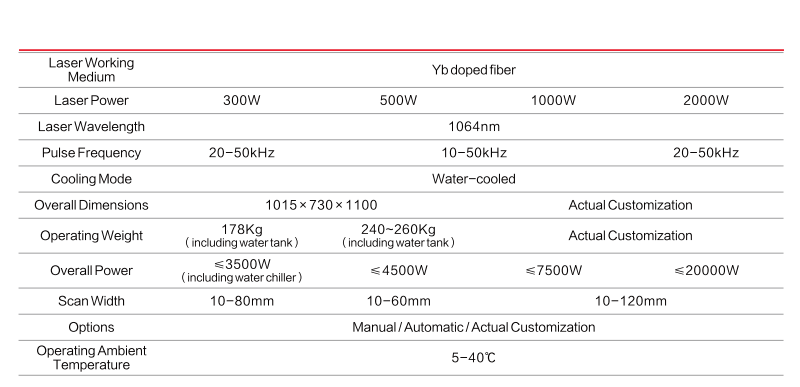
The TPCP serie Pulsed Fiber Laser Cleaning Machine integrates advanced fiber laser technology with industrial-grade precision, offering a revolutionary solution for surface treatment applications. Utilizing fiber laser sources (distinct from YAG systems), it employs pulsed laser beams to selectively remove contaminants such as rust, oil, coatings, and oxides without damaging the substrate. Key advantages include eco-friendliness, as it eliminates chemical solvents and abrasive materials, reducing secondary pollution and generating only harmless solid waste. Its non-destructive cleaning capability stems from ultra-short pulse durations (e.g., 0.5–4 ns), which minimize thermal diffusion, making it ideal for delicate surfaces like precision molds and electronic components.
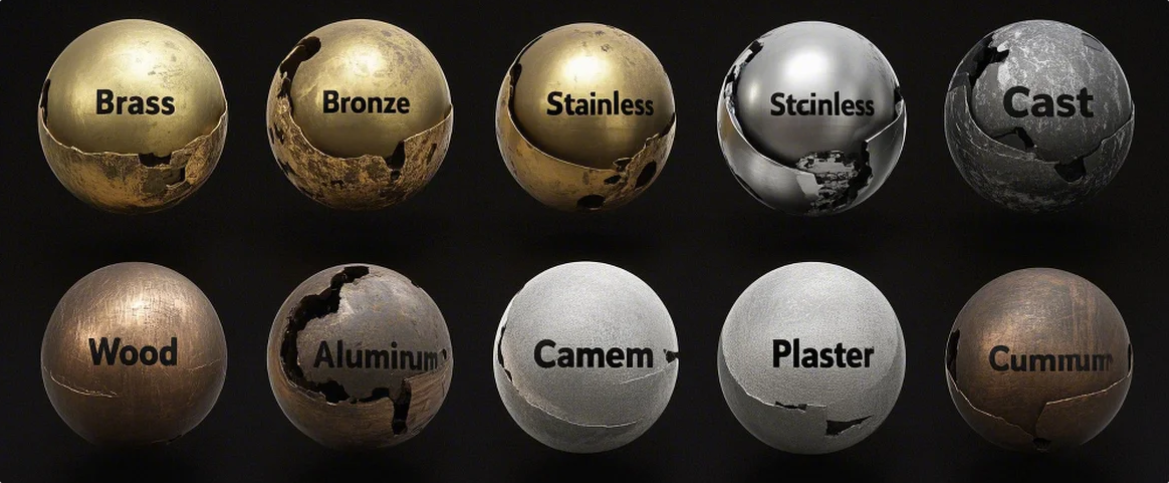
The system excels in cost-effectiveness due to low maintenance requirements, no consumables, and a lifespan exceeding 10 years, offsetting its initial investment. Compact, air-cooled designs and fiber-optic delivery enable portability and automation compatibility, supporting robotic integration for complex geometries and 360° cleaning of blind holes or grooves. Adjustable parameters (pulse width, frequency) further enhance adaptability across materials ranging from metals to stone.
Laser cleaning technology, as an advanced surface treatment method, has revolutionized industrial cleaning processes with its precision, efficiency, and eco-friendliness. By utilizing high-energy laser beams to remove contaminants (e.g., rust, paint, oxides) without damaging substrates, it is increasingly adopted across diverse industries.
Key Application Industries
1. Automotive Manufacturing
- Component Cleaning: Laser cleaning efficiently removes rust, oil residues, and welding slag from engine blocks, gearboxes, brake discs, and wheel hubs, ensuring surface integrity and enhancing production efficiency.
- Paint Stripping: Selectively removes old coatings from car bodies and critical weld seams, preparing surfaces for repainting or quality inspection.
2. Aerospace Industry
- Aircraft Surface Maintenance: Safely strips aged paint layers from aircraft surfaces without harming metal substrates, addressing safety concerns in traditional mechanical methods.
- Composite Material Processing: Cleans carbon fiber-reinforced polymers (CFRP) and adhesive layers for bonding preparation, ensuring structural reliability.
3. Mold and Tooling
- Tire Mold Cleaning: Rapidly removes rubber residues and anti-stick coatings, reducing downtime and avoiding chemical pollution in food-grade molds.
- Plastic/Rubber Molds: Maintains precision by eliminating contaminants without physical abrasion.
4. Electronics and Precision Instruments
- Oxide Removal: Ensures optimal electrical contact by deoxidizing component pins before circuit board soldering.
- Grease Elimination: Non-contact cleaning of delicate parts (e.g., medical devices) avoids chemical corrosion.
5. Rail Transit and Shipbuilding
- High-Speed Rail Components: Replaces chemical and manual methods for rust and coating removal, aligning with green manufacturing trends.
- Ship Surfaces: Cleans hulls and pipelines, preventing corrosion and improving maintenance efficiency.
6. Cultural Heritage and Architecture
- Art Restoration: Gently removes dirt and oxides from historical artifacts without altering original textures.
- Building Facades: Restores aesthetics by stripping pollutants and old coatings from walls and sculptures.
7. Military and Defense
- Weapon Maintenance: Removes hazardous coatings and controls corrosion on military equipment.
- Nuclear Decontamination: Safely cleans radioactive residues in reactors and pipelines.
8. Medical and Nuclear Industries
- Sterilization Preparation: Cleans stainless steel medical tools to withstand high-temperature sterilization.
- Nuclear Power Plants: Maintains pipeline integrity by removing radioactive contaminants.
Advantages Over Traditional Methods
- Eco-Friendliness: Eliminates chemical solvents and reduces wastewater/emissions.
- Precision and Safety: Non-contact operation preserves substrate integrity and allows access to complex geometries.
- Cost Efficiency: Low energy consumption, automation compatibility, and reduced labor costs.
Future Trends
- Smart Manufacturing: Integration with robotics and AI for automated, high-precision cleaning.
- Material Versatility: Expanding applications to non-metallic materials (e.g., glass, ceramics).
- Sustainability: Enhanced adoption in green industries like renewable energy and electric vehicles.
 Español
  Portugues
  English
